



As a leading supplier in the chemical industry, we understand that modern agriculture demands precision and efficiency. For large-scale farming operations and agricultural trading companies, ensuring crop health is the foundation of profitability. Manganese Chloride (MnCl₂) serves as a critical tool in achieving this goal. Below is a comprehensive overview of its function, application, and value in the agricultural sector.
Core Function: The Power of Micronutrient Fertilizer
Manganese is an indispensable trace element for plant growth. While required in small quantities, its role is non-negotiable. Manganese Chloride acts as a highly efficient Manganese fertilizer, directly impacting:
- Photosynthesis: It is a direct participant in the oxygen-evolving process and is essential for the formation of chloroplasts.
- Enzyme Activation: It activates numerous metabolic enzymes within plants, regulating growth and energy cycles.
Application Advantages
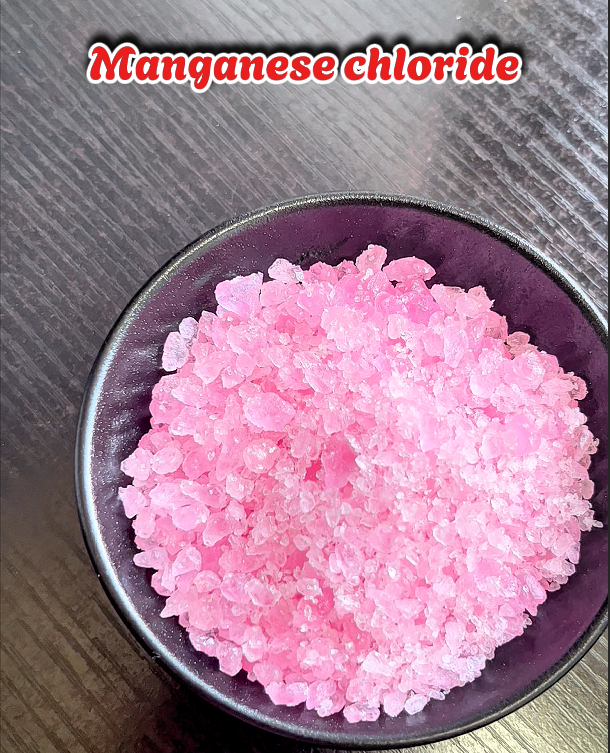
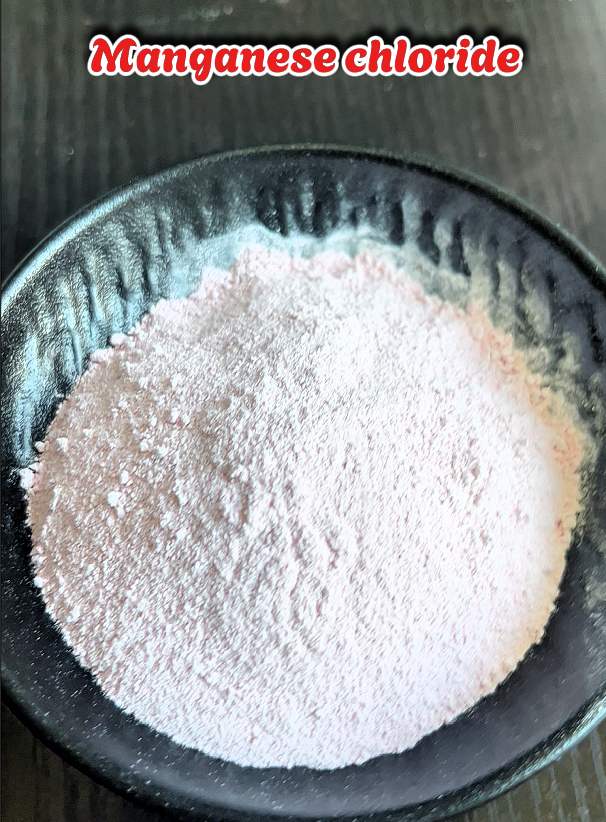
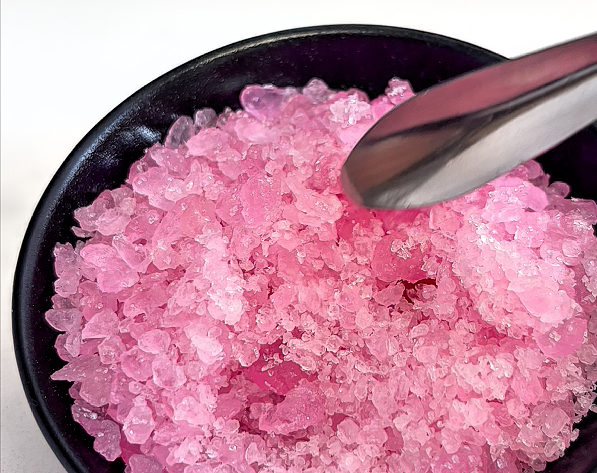
- High Potency & Solubility: Manganese Chloride (available in anhydrous and tetrahydrate forms) boasts a high concentration of manganese. Its excellent water solubility ensures rapid absorption by crops, providing a quick remedy for deficiency symptoms.
- Versatile Application Methods: It adapts to various agricultural regimes, including:
- Base Fertilizer Application
- Top Dressing
- Seed Soaking / Seed Dressing
- Foliar Spray (Most Common & Effective)
Primary Agricultural Uses
- Preventing & Correcting Manganese Deficiency: Specifically targets physiological disorders such as “speckled yellows” in sugar beets, “grey speck” in oats, “brown spot” in beans, and interveinal chlorosis in fruit trees.
- Boosting Crop Physiology:
- Photosynthesis: Maintains chlorophyll levels for higher photosynthetic efficiency.
- Metabolism: Activates enzymes like nitrate reductase to improve nitrogen metabolism and carbohydrate transformation.
- Stress Resistance: Enhances the plant’s ability to withstand drought and low-temperature stress.
- Yield & Quality Improvement: Trials on key crops (Wheat, Corn, Potatoes, Peanuts, Soybeans, Apples, Grapes) show significant increases in grain weight, starch content, and sugar content, leading to superior marketable produce.
Target Crops (Manganese-Sensitive Varieties)
Manganese Chloride is particularly effective for:
- Field Crops: Sugar beets, Oats, Wheat, Corn, Millet, Soybeans, Peanuts, Potatoes, Tobacco.
- Fruit Trees: Apples, Citrus, Grapes.
- Key Note: Manganese deficiency is prevalent in calcareous soils and soils high in organic matter. For clients managing land in these regions, Manganese Chloride is an essential input.
Usage & Safety Precautions
To ensure maximum efficacy and safety for your clients, we recommend the following guidelines:
- Concentration Control: When used as a foliar spray, maintain a concentration of 0.05% – 0.1%. Exceeding this range may cause phytotoxicity (leaf burn).
- Environmental Stewardship: This product is harmful to aquatic life. Users must prevent contamination of water sources, drainage systems, and the surrounding environment during application and cleaning.
- Storage Requirements: Due to its hygroscopic nature (ability to absorb moisture from the air), the product must be stored sealed in a cool, dry, and well-ventilated warehouse.
Why Source from Us?
We supply high-purity Manganese Chloride tailored for the rigorous demands of large-scale agriculture and international trade. Our product ensures consistent particle size and solubility, guaranteeing that your customers receive a reliable input for their precision farming needs.
Contact us today to discuss bulk orders, pricing, or technical specifications.
Post time: Feb-27-2026